Introduction to Digital Signature Lifecycle Management
In the era of rapid digital transformation, the adoption of electronic signatures has become a cornerstone for businesses in Vietnam and globally. However, simply signing a document is only the beginning. Effective 'quản lý vòng đời chữ ký số' (digital signature lifecycle management) is critical to ensure that documents remain legally valid, authentic, and accessible throughout their entire retention period. Organizations often overlook the fact that a digital signature is not a static stamp; it is a cryptographic process that relies on certificates, timestamps, and validation data that must be maintained over many years.
The Importance of Long-term Validation
Digital signatures rely on public key infrastructure (PKI). A common risk is that the certificate used to sign a document might expire or be revoked long before the document's legal retention period ends. Without proper lifecycle management, a document signed today might become impossible to verify in five years. This is where Long-Term Validation (LTV) comes into play. By embedding revocation status and trusted timestamps at the time of signing, businesses can ensure that the signature remains verifiable even after the original certificate has expired. For businesses in Vietnam, complying with the Law on Electronic Transactions is essential, and maintaining these cryptographic proofs is a core requirement for document integrity.
Best Practices for Document Retention
Retention policies must be integrated into your digital signature strategy. First, categorize your documents based on their legal and operational significance. Tax invoices, employment contracts, and board resolutions require different retention periods compared to internal memos. Businesses should implement a centralized document management system (DMS) that supports standard formats like PDF/A, which is designed for long-term archiving. Always ensure that your digital signatures are compliant with the standards set by the National Electronic Authentication Center (NEAC). If you are uncertain about the current status of your signed files, you can kiểm tra chữ ký số to verify their validity before archiving them.
Ensuring Compliance in the Vietnamese Context
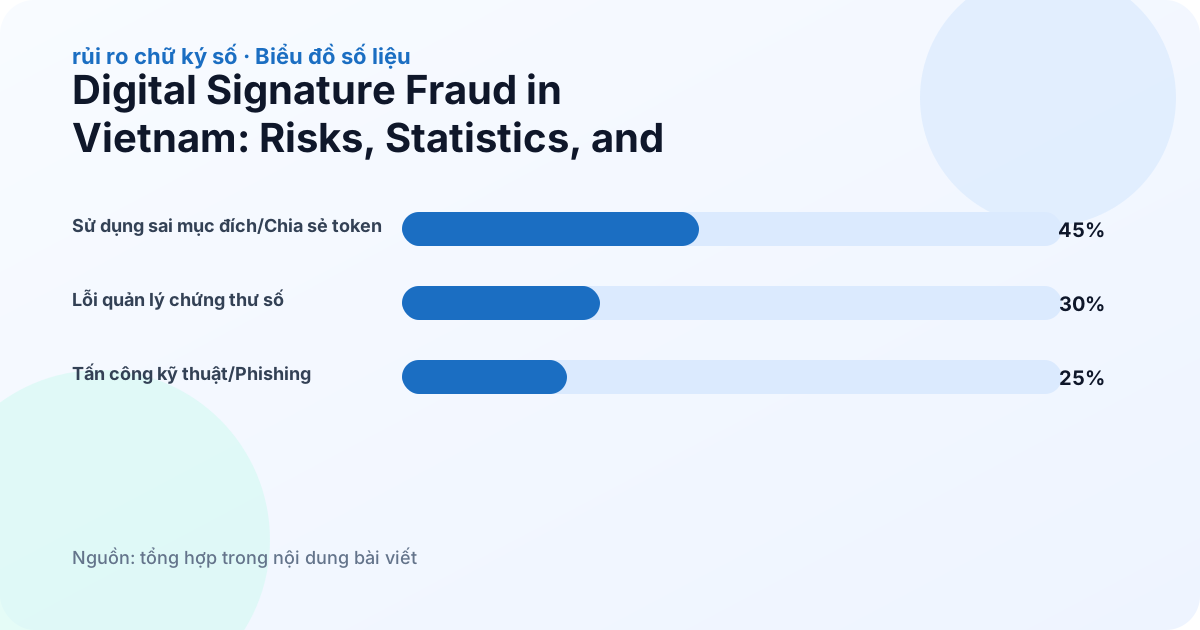
Vietnam has made significant strides in digital governance. From tax declarations to social insurance filings, digital signatures are now mandatory for many corporate interactions. Compliance involves not only the technical aspect of signing but also the governance of who has access to signing keys. Best practices include implementing multi-factor authentication (MFA) for signing authorities and maintaining detailed audit logs. Companies should conduct periodic internal audits to ensure that all signing processes align with current government regulations. Please note that this article provides general guidance; for binding legal advice regarding corporate document retention and digital signature standards, please consult with qualified legal counsel or your authorized digital signature service provider.
Risk Management and Security
The lifecycle of a digital signature includes the issuance, usage, renewal, and revocation of certificates. A major vulnerability is the loss of control over private keys. Organizations must have a robust policy for certificate renewal to prevent service disruptions. Furthermore, if a signing device (like a USB token or HSM) is lost or compromised, the revocation process must be triggered immediately. By maintaining a clear inventory of all active certificates and their expiration dates, businesses can mitigate the risks associated with unauthorized signing and legal invalidity.
Nguồn tham khảo
Nội dung trên website mang tính tham khảo kỹ thuật và không thay thế tư vấn pháp lý chính thức.
Kiểm tra chữ ký số PDF/XML ngay